

Nappy Bag Checklist Australia: What to Pack for Newborns to Toddlers (2026)

Every parent has a nappy bag story: the day they left the house with no wipes, the spare outfit that turned out to be the wrong size, the bag so heavy it hurt. This nappy bag checklist for Australia is built to fix that. It covers what to pack from newborn to toddler, how to adjust for the heat and the beach, and how to keep the whole thing light enough to actually enjoy leaving the house.
What is the short list?
Nappies, wipes, a change mat, a wet bag, a spare outfit, a feed or snack, water, a hat and a comfort item.
How many nappies?
One for every hour you will be out, plus two extra. A few more for a newborn. Keep a spare in the car.
What do I add in an Australian summer?
A sun hat, light covering clothing, extra water and shade. Check the UV forecast on SunSmart.
What goes in the bag for a toddler?
Snacks, a drink, a snack pot, a spare outfit and something to play with.
How do I keep it light?
Pack by outing, not by worst case. See the outing guide below.
What is the best nappy bag?
The one you will carry. Easy access, a wipe-clean lining and a spot for a change mat and wet bag matter more than the brand.
The Short List: A Nappy Bag That Fits in Your Hand
If you only read one section, make it this one. These are the items we would never leave home without. Everything else is a bonus.
- ☐Nappies, one for each hour out plus two spare
- ☐Wipes
- ☐A portable change mat
- ☐A wet bag for soiled nappies and clothes
- ☐A spare outfit for baby
- ☐A feed: milk, formula or food, and water
- ☐A sun hat in summer, or a beanie in winter
- ☐A comfort item, such as a dummy or a soft toy
- ☐A spare top for you
- ☐Your phone, keys, wallet and health fund card
That is a ten-item bag. It is light, it covers almost every short outing, and it is easy to restock. Add from the full list below only if the outing needs it.
The Full Nappy Bag Checklist
Use this as a master list. Copy it into your phone, tick off what applies and cross out what does not. Items with a link are from our range, and the rest are things most families already own.
Nappy changes
- ☐Nappies, plus a couple of spares
- ☐Wipes, and a small pack of tissues
- ☐Change mat, such as the Pacific, Olive Leaf or Desert Moon
- ☐Wet bag for soiled nappies, with a second one for wet clothes
- ☐Nappy cream
- ☐Disposable bags for rubbish, if you do not have a wet bag
- ☐Hand sanitiser
Feeding
- ☐Milk or formula, with a little extra
- ☐Water for baby (if baby is drinking water) and for you
- ☐A muslin or burp cloth
- ☐A silicone bib for older babies
- ☐A straw sippy cup or a babycino cup
- ☐A snack pot or collapsible snack cup
- ☐Snacks that suit your baby's stage
Clothing and comfort
- ☐A spare outfit, and a second for longer outings
- ☐A swaddle or blanket, such as a swaddle or the knitted pram blanket
- ☐A hat, with a chin strap in windy weather
- ☐A comfort item: dummy and clip, or a soft toy
- ☐A light layer for air-conditioned places
Play
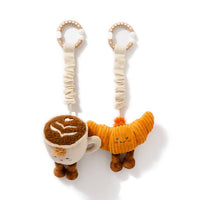
- ☐A small toy or two, such as a stroller toy that clips on
- ☐A board book for older babies and toddlers
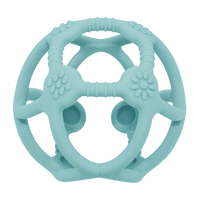
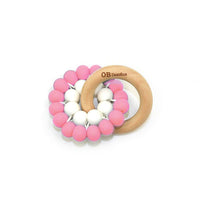
- ☐A teether for teething stages
Health and safety
- ☐Sunscreen for babies old enough to use it, and shade for those who are not
- ☐Any medication your baby uses, as advised by your doctor
- ☐Your baby's health information, and your health fund card
- ☐A small first aid kit with plasters and saline
For you
- ☐Water and a snack
- ☐A spare top
- ☐Phone charger or power bank
- ☐Sunglasses and a hat
For general information about caring for a baby in the early months, Raising Children Network and Healthdirect are trusted Australian sources. They can help you decide what is right for your baby's age.
What to Pack by Age
What you need changes quickly as your baby grows. The bag you carry at three weeks is not the bag you will carry at twelve months.
Newborn (0 to 3 months)
Newborns need frequent nappy changes and frequent feeds, so the bag is heavy on nappies, wipes and feeding supplies. Pack more nappies than you think you need, a couple of spare outfits (leaks happen), and a swaddle or blanket for warmth and comfort. A wet bag is especially helpful at this stage, because soiled clothes are common. Our newborn essentials checklist covers what to have at home.
Three to six months
Babies are more alert and more interested in what is around them. A clip-on toy is a small, useful addition. Keep the nappies and spare clothes, and add a hat and sun protection if you are out in the daytime. If you are using a pram, a pram blanket can live in the pram basket instead of the bag.
Six to twelve months
Solids bring new items: a bib, a spoon, a snack pot and a cup. Snacks and drinks take more space than nappies at this stage. A collapsible snack cup packs flat, and a silicone bib wipes clean. Our starting solids guide covers readiness and timing.
Toddlers
Toddlers may need fewer nappies, but they need more of everything else: snacks, drinks, spare clothes (for mess and toilet training), a toy and sometimes a comfort item. A snack pot and a babycino cup are good for outings, and a small book can save a long wait at a café.
What to Pack by Outing
The best way to keep a nappy bag light is to pack for the outing, not for the worst case. Here is a simple guide.
- A quick errand (up to an hour): two nappies, wipes, a small wet bag, a feed or snack and a comfort item. A mini kit in a small pouch is enough.
- A half day (two to four hours): the short list, plus a spare outfit, a snack or feed, and a toy.
- A full day: the full list, with extra nappies, two spare outfits, enough food and drink, and sun protection.
- A cafe catch-up: a change mat, wipes, a snack pot and a babycino cup for older babies, plus a toy to keep hands busy.
- A car trip: extra nappies, spare clothes, snacks, a sunshade for the window and a change of top for you. Never leave a child alone in a car. Kidsafe has advice on car safety.
- A beach day: see our baby beach essentials checklist, which adds shade, a hooded towel and a bigger wet bag.
- A flight: extra nappies and outfits, plenty of snacks and a swaddle, and check the airline's rules for milk, formula and food.
Packing for Australian Conditions
Australia is not like most of the places baby bag lists are written for. The sun is strong, summers are hot, and the weather can change quickly depending on where you live. A few small tweaks make a big difference.
In summer, add a sun hat, light covering clothing, extra water and a plan for shade. SunSmart and the Cancer Council publish sun protection guidance, and the UV forecast is a good thing to check before you leave. Babies under 12 months should be kept out of direct sun when the UV index is high, so plan outings for early morning or late afternoon where you can. In winter, a light layer, a blanket and a hat for warmth are enough. Many Australian homes, cafes and shopping centres are air-conditioned, so a light layer helps year-round.
Heat also affects food and milk. Use a small cool bag for milk and food on a warm day, and do not leave anything in a parked car. If you live somewhere humid, like parts of the Northern Rivers where we are based, a spare outfit is especially useful, because babies sweat and nappies leak.
Choosing a Nappy Bag That Works
You do not need a specific nappy bag. A good backpack or tote with a few pouches can work as well as a branded one. What matters is how you use it.
- Easy access. You will be opening it one-handed, so a wide opening beats a small one.
- Wipe-clean lining. Spills happen. A lining you can wipe down will save you.
- A place for the change mat and wet bag. If the two have an easy home, you will reach for them.
- Comfortable straps. A backpack leaves your hands free. A tote may hang better on the pram.
- Pouches or zones. Small pouches keep nappies, feeding items and clothes separate, so you can find things quickly.
- Enough space, not too much. A bag that is too big gets filled, and a bag that gets filled gets heavy.
The Pacific change mat is designed to roll up neatly into a baby bag with a snap lock clasp and to fit a standard change table, according to the product page. It has bamboo layers on one side and a leak-proof base on the other. The Mid wet bag is made from OEKO-TEX Standard 100 certified rPET with two zipped compartments, so clean and used items stay separate. Together they are a small, practical pair that earns a place in any bag. Our wet bag size guide explains how to choose between Pod, Mid and Big.
Keeping It Restocked: The Two-Minute Reset
A nappy bag is only useful if it is ready. The simplest habit is a two-minute reset when you get home. Empty any rubbish, replace what you used, and put the bag back where you can grab it.
- Restock nappies and wipes straight away.
- Empty and wash the wet bag, and let it dry.
- Replace the spare outfit if it was used.
- Check that snacks and drinks are fresh.
- Keep a small spare kit in the car, with a nappy, wipes, a change of clothes and a hat.
- Do a quick check of expiry dates on cream and snacks once a month.
If you share the bag with a partner or grandparent, agree where it lives and who restocks it. A bag that is always ready means anyone can take the baby out.
If You Use Cloth Nappies
Cloth nappies change the bag a little, but not by much. You still need a way to carry used nappies home, and that is where a wet bag comes in. The Mid wet bag is described on its product page as small enough to fit inside any nappy bag, backpack or stroller, and big enough to hold 3 cloth nappies. For a longer day, the Big wet bag gives you more room.
Pack a few more nappies than you would with disposables if your baby has a lot of changes, and add a few liners or a small stash of disposables as a backup for long days. Our cloth nappy starter guide covers what you need to get going, and our wet bag guide covers the sizes.
Common Nappy Bag Mistakes
Most nappy bag problems come down to a handful of habits. Here are the ones we see most often, and how to avoid them.
- Packing for every possible disaster. The result is a bag that is too heavy to carry. Pack for the outing you are actually doing.
- Not restocking. The bag that was ready last week is empty this week. A two-minute reset fixes it.
- Leaving the spare outfit in the wrong size. Babies grow fast. Check the spare fits every few weeks.
- No separate place for dirty items. A wet bag solves this, and it saves your clean clothes from spills.
- Forgetting your own needs. Pack water, a snack and a spare top for yourself, because you are part of the outing too.
- Hanging a heavy bag on the pram handle. It can tip the pram. Use the basket, and keep the bag light.
- Keeping food and milk in the heat. On a warm day, use a small cool bag and do not leave anything in a parked car.
A Sample Three-Hour Outing Bag
Here is what a real, sensible bag might look like for a three-hour outing with a six-month-old, say a walk, a cafe stop and a visit to a friend's place. It is light, and it covers what you are likely to need.
- Four nappies and a pack of wipes
- A change mat and a Mid wet bag
- One spare outfit and a hat
- A feed, plus a snack pot and a cup of water
- A bib and a small spoon if baby is eating solids
- A swaddle or blanket in the pram basket
- One clip-on toy and a teether
- Water and a snack for you, plus your phone and keys
It fits in a small backpack, and it will see you through most outings. If you are going further, or for longer, add from the full list above.
What to Leave Out
The fastest way to a lighter bag is to leave things out. Many parents carry items for situations that rarely happen. Here are a few you can probably skip or reduce.
- Too many toys. One or two that clip on are plenty.
- A full change of clothes for every possible scenario. One spare outfit is enough for most outings.
- Large packs of wipes. Decant a small pack and keep the rest at home.
- Items you never use. If something has been in the bag for a month untouched, take it out.
- A heavy bottle of water for yourself. Refill when you can.
A lighter bag is a kinder bag. If it is easy to carry, you are more likely to go out, and going out is often the best thing for a tired parent.
A Nappy Bag Kit as a Gift
A small kit for the nappy bag makes a practical gift for a new parent, and it is one of the few gifts that is used every single day. Think of a change mat, a wet bag and a stroller toy, all of which are in our range.
If you would like to give a bigger set, our build-your-own bundle page lets you pick three or more products and save 10% automatically. The Welcome to the World, Little One bundle includes change mats among its categories, and the Little Ripper Cafe Bundle suits a family who loves a cafe outing. For more gift ideas, see our newborn gift ideas.
Nappy Bag Essentials by Budget
Exact prices as at October 2026. Prices may change, so check the product page. Orders over $75 ship free in Australia.
Under $25
- Mid Wet Bag – $18.95
- Pod Wet Bag – $24.95
- Mini & Me Bib – $14.99
- Collapsible Snack Cup – $22.99
$25 to $50
- Change Mat – $32.95
- Big Wet Bag – $29.95
- Stroller Toys 2-pack – $34.99
- Swaddle – $39.95
$50 and over
- A change mat, Mid wet bag and stroller toy together is $86.89 at list price, before any bundle saving.
- Build your own bundle – 10% off at 3 or more products.
Frequently Asked Questions
What should I pack in a nappy bag?
The essentials are nappies, wipes, a change mat, a wet bag for soiled items, a spare outfit, a feed (milk, formula or food), water, a hat and a comfort item. Add nappy cream, a muslin or swaddle and a small toy. See the full checklist above.
How many nappies should I pack for a day out?
A common rule of thumb is one nappy for every hour you expect to be out, plus two extra. For a newborn, who may need changing more often, pack a few more. Always carry a spare in the car.
What is the best nappy bag for a newborn?
The best nappy bag is one you will actually carry. Look for easy access, a wipe-clean lining, a spot for a change mat and a wet bag, and straps that sit comfortably on a pram handle or your shoulders. A normal backpack with a few good pouches works just as well.
Do I need a wet bag in my nappy bag?
A wet bag is one of the most useful items you can carry. It keeps soiled nappies, wet clothes and mess away from everything else, and it can be washed. Our Mid size is made for grab-and-go use and holds 3 cloth nappies.
What do I pack in a nappy bag for a toddler?
Pull-ups or nappies, wipes, a spare outfit, snacks, a drink, a snack pot or cup, a small toy or book, sun protection and a comfort item. Toddlers need fewer nappies but more snacks and entertainment.
How often should I restock my nappy bag?
Restock it as soon as you get home, while you remember what you used. A two-minute reset after each outing means the bag is always ready, even when you are in a hurry.
What should I add to my nappy bag for an Australian summer?
A sun hat, light covering clothing, extra water and shade. Sun protection is important in Australia, and SunSmart and Cancer Council guidance can help you plan around the UV index.
General guidance is based on Raising Children Network, Healthdirect, Kidsafe and SunSmart. This post is general information, so always ask your GP or Maternal and Child Health nurse about your baby's specific needs. Tiny Moments Co is an Australian-owned small business based in Lennox Head, NSW. Prices and ranges are current as of October 2026 and may change.